

A request for quotation is easier to discuss when the supplier can see both the part and the project context. This mock guide presents an example structure for a rubber component RFQ. It focuses on organizing information and open questions, without offering a quotation or promising a particular price or lead time.
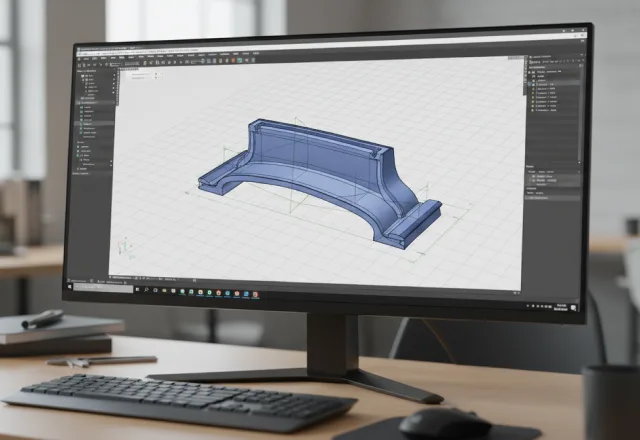
Describe the part and its application
Start with a short description that explains what the component does and where it will be used. Give each attachment a clear name and tell the reader which document should be treated as the current reference.
Attach readable drawing references
Include the current drawing revision and any relevant assembly views. Mark incomplete dimensions and identify the owner of the design. If a physical sample is being used for reference, explain its status and note where it differs from the intended new component.
Provide the project context
Describe the intended environment and the requirements already agreed by the project team. Keep unknown conditions in a visible question list. This allows the supplier to ask for clarification instead of silently filling gaps with assumptions that may not match the application.

Make the quotation questions explicit
The commercial section should explain what the buyer wants the response to cover. A consistent list of questions makes different proposals easier to read and helps identify where a supplier has used a different assumption.
Separate samples from ongoing supply
State the purpose of the sample request and describe the expected purchasing pattern separately. Ask the supplier to identify assumptions in its response. This keeps an early development conversation from being confused with a confirmed production order or an agreed recurring delivery schedule.
Include packaging and documentation
Describe the desired packing format, label information and documents needed for review. If these details are still being developed, say so. A clear distinction between confirmed requirements and optional requests helps keep the response relevant to the stage the project has actually reached.
Prepare for an efficient follow-up
An RFQ is usually the start of a conversation. Providing a contact and a way to track questions helps the team turn the first response into a clearer project brief instead of a series of disconnected clarifications.
Name the decision contacts
Identify who can answer drawing questions and who handles purchasing details. Include the preferred route for submitting clarification requests. When different people own different decisions, making those roles visible helps avoid a response being delayed in the wrong part of the organization.
Keep a shared question log
Number the open questions and record the answer beside each one. Update the relevant drawing or brief when an answer changes the requirements. The next quotation discussion can then use the revised package, with a clear record of which assumptions have been confirmed.