

A production handover involves more than a part number. Drawings, sample decisions and packing notes all need to describe the same version of the work. This illustrative article shows how a fictional rubber component project can organize its records so that the next person can follow the decisions already made.
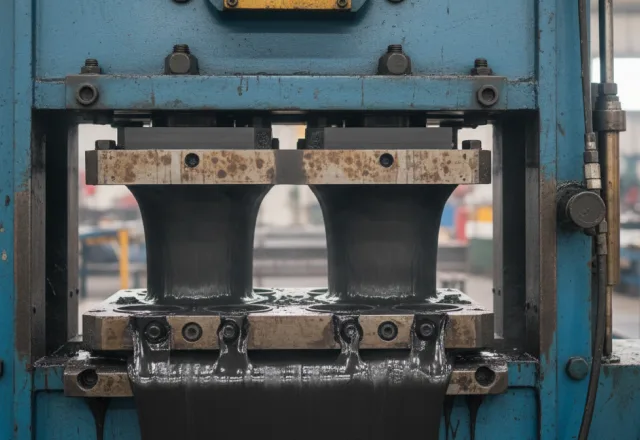
Create a clear starting record
Begin with the documents that define the current job. A short index helps the team find the right information without searching through multiple messages or guessing which attachment contains the latest update.
Connect the part and its revision
Record the customer reference, internal part reference and drawing revision together. Add a plain-language description of the component so that similar part numbers are easier to distinguish. Treat the revision as part of the reference whenever a document is copied or shared.
Carry forward sample decisions
Include the approved sample record and any limitations attached to it. If a feature still requires review, keep that status visible in the handover. This helps prevent a provisional decision from becoming an unqualified instruction when the project moves to another team.
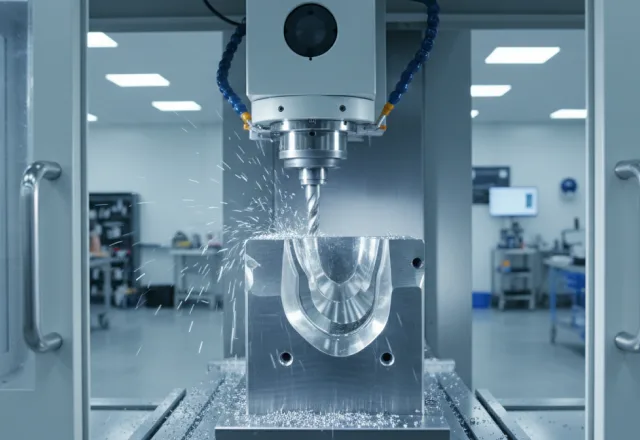
Keep changes visible during the work
A record is useful only when it reflects the current instructions. The example workflow keeps a concise change log beside the job documents so the reason for an update remains visible after the original conversation has ended.
Describe each change once
Use one entry to record what changed, why it changed and who confirmed it. Link the entry to the revised document instead of copying different versions into several places. That gives the team a clear route from the change note to the instruction it affects.
Make handovers explicit
At a handover, list the completed steps and the items awaiting a response. Include the person responsible for the next action. A brief written summary helps the receiving team distinguish work that is ready to continue from work that still needs a decision.
Prepare records for dispatch and follow-up
The final package should make the supplied parts easy to identify. In this mock example, the same references connect the job record, packaging information and follow-up notes, keeping the documentation understandable after dispatch.
Confirm packaging information
Keep the agreed quantity per pack, label wording and handling notes with the order record. Review the actual label against those instructions before closing the job. Where an instruction is unclear, resolve it with the project contact rather than choosing an undocumented alternative.
Keep the package searchable
Store the final document set under a consistent project reference. Include the drawing, review status and relevant correspondence. When a later question arrives, the team can retrieve the version that accompanied the shipment instead of assuming the current drawing describes every earlier delivery.