

A material discussion needs more context than a material family name. This demonstration article shows how a fictional sealing project can organize its requirements before asking a supplier to review options. It is a documentation example, not a material recommendation or evidence that a compound is suitable for a particular application.
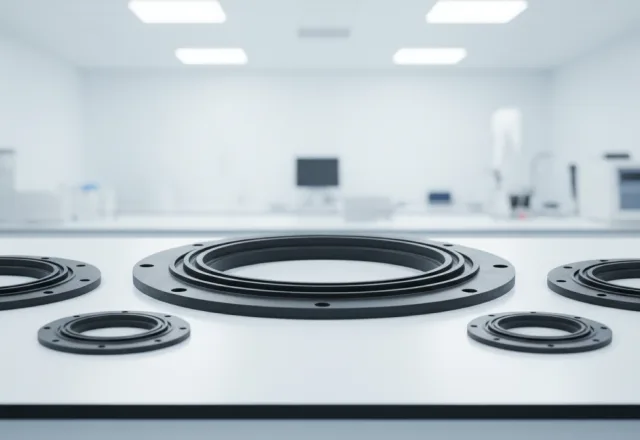
Describe the intended service conditions
Begin with the information the application team can confirm. Record the source of each requirement and keep unanswered questions visible so that a later material discussion is based on an understandable brief.
Record contact and environment
List the substances and environments that the part is expected to encounter, using the project's own confirmed information. Describe normal use separately from cleaning, storage or occasional exposure. If the conditions are not yet known, assign an owner to clarify them rather than guessing.
Explain the mechanical context
Include the part drawing and an assembly view showing where the seal sits. Describe how the component is installed and what the project expects it to do. The material discussion can then refer to a specific assembly instead of an isolated description such as 'general-purpose rubber'.
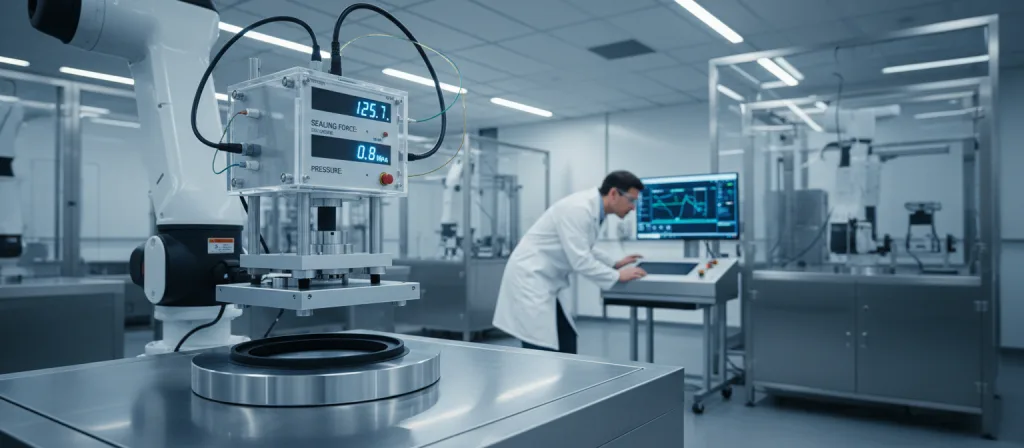
Ask for evidence in a usable form
The example team defines the documentation it needs before comparing proposals. The goal is to understand what each document describes and whether it relates to the exact option being discussed for the project.
Identify the proposed compound
Ask the supplier to name the proposed compound or reference and connect it to the supplied documentation. Keep revisions visible where applicable. A broad material label is useful for organizing a discussion, but the review package should identify the specific proposal under consideration.
Clarify the review requirements
List the evidence requested by the responsible engineering or compliance reviewer. Note whether the information is available, pending or outside the supplier's proposal. This makes the decision status visible without treating the presence of an unrelated document as proof that a requirement has been met.
Keep the selection decision traceable
A clear record explains why an option remains under consideration and which questions are still open. In this mock workflow, the final decision belongs to the project review process rather than to a generic comparison table.
Compare proposals consistently
Use the same question list for each proposal and record the source of the answers. Separate confirmed information from supplier assumptions and outstanding requests. This keeps the discussion focused on the actual project requirements rather than on whichever proposal happens to contain the most text.
Document the next evaluation step
Identify the responsible reviewers and the information or samples they need next. Keep the status provisional until the agreed evaluation is complete. The brief then becomes a practical handover document that can be updated as the project learns more about the intended application.