

A prototype request often arrives while the design is still evolving. This fictional case follows a small sample batch used to answer a defined set of development questions. It shows how a team can keep the prototype's purpose clear without treating a useful early sample as automatic approval for production.
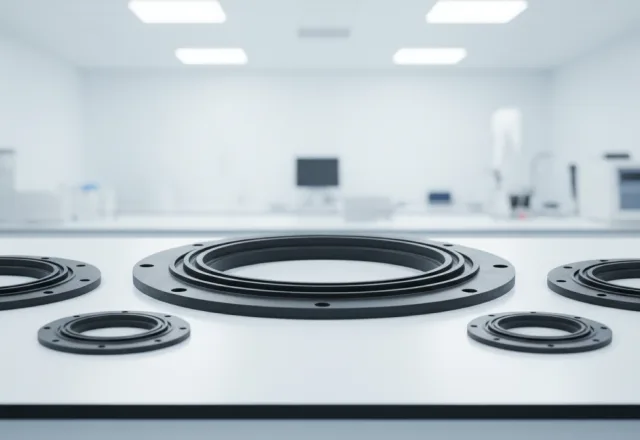
Give the prototype a clear purpose
The example project starts by writing down what the team wants to learn. A focused brief helps purchasing, engineering and the supplier agree on the role of the sample before discussing the next stage.
Choose the questions to answer
List the observations required from this iteration, such as how the part is handled or where it sits in the assembly. Keep unrelated questions in a separate list. This helps reviewers use the prototype for its intended purpose and report useful, specific feedback.
State the limits of the iteration
Record any provisional features, incomplete documents or assumptions attached to the sample. Make those limitations visible in the package sent to reviewers. A clearly described prototype allows the team to learn from it without implying that every production requirement has already been addressed.
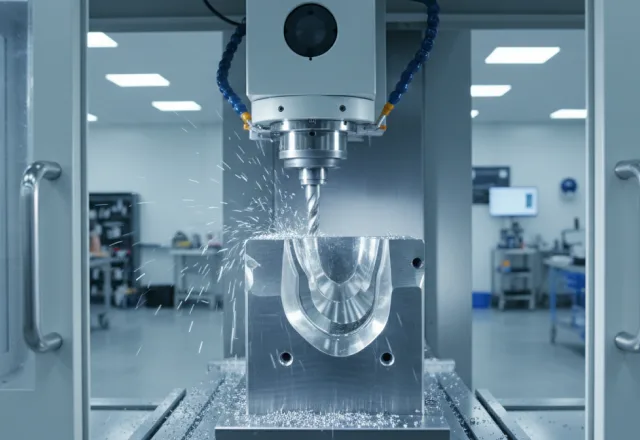
Collect feedback from each reviewer
Small batches may be distributed to several people for different reviews. In the mock project, a simple sample register keeps the observations linked to the correct part and helps the team compare feedback at the next meeting.
Use a sample register
Record which sample went to each reviewer, the drawing revision and the intended review activity. Include a place for the date and returned comments. This provides a basic chain of reference when photographs or notes are shared by people working in different locations.
Compare like-for-like observations
Ask reviewers to describe their setup alongside their findings. When comments differ, check whether the same feature and assembly context were being reviewed. The next discussion can then focus on the actual difference instead of assuming that two short comments describe identical conditions.
Translate learning into the next package
The prototype stage ends with decisions and questions, not just a collection of samples. The team summarizes what it learned and identifies the information still needed before a later production discussion can be productive.
Update the design record
Connect each agreed change to the feedback that prompted it. Keep the earlier revision and sample notes available for reference. This gives the new package a clear history and prevents a resolved question from being reopened simply because its explanation was not recorded.
Define the next review
List the documents, samples and responsible participants for the next stage. Include any questions that were outside the prototype's original scope. A clear next step makes the handover useful while preserving the distinction between learning from a sample and approving the final application.