

When a question arrives after delivery, the team needs to know which part and document version are being discussed. This mock article follows an example record trail for a rubber component order. It explores how to keep references connected without claiming a particular certification, tracking system or customer outcome.
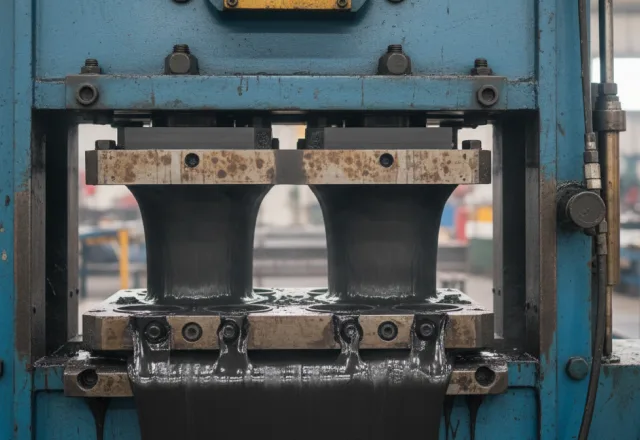
Give the project a consistent reference
The example begins with a simple way to identify the work. The same references appear in the drawing package and the review notes, helping participants connect information created at different stages of the project.
Connect customer and supplier references
Record the relationship between the customer's part number and the supplier's reference. Include a description that helps distinguish similar components. When one side changes a reference, update the mapping so an older message can still be linked to the correct project record.
Keep revisions visible
Write the drawing revision beside the part reference in the documents that guide the work. Keep superseded files available as history while making the current version easy to identify. This allows later questions to be answered against the document used at the relevant time.
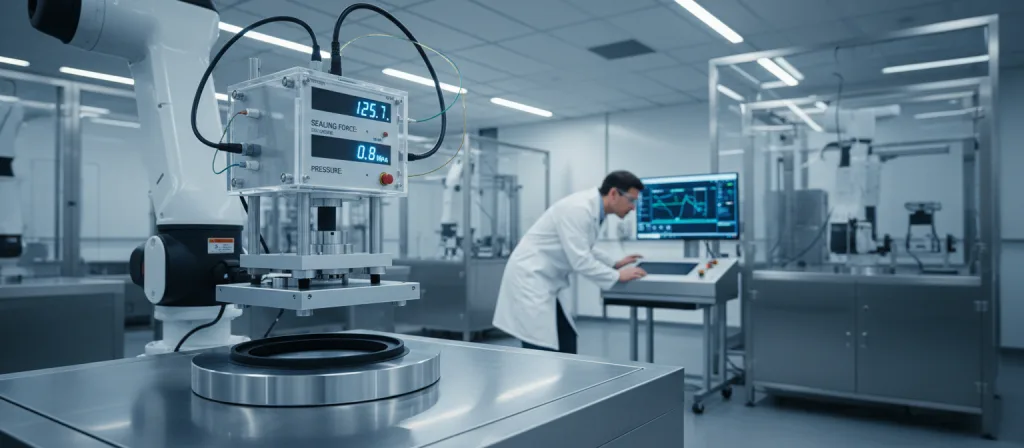
Connect the records across handovers
Different people may prepare samples, review documents and arrange packing. A traceable handover keeps the shared references visible as the work moves between these activities, rather than relying on everyone remembering the original conversation.
Link samples to review notes
Record the sample identifier with its associated drawing and feedback. Attach photographs to the corresponding observation instead of storing them without context. A later reviewer should be able to identify what was examined and which question the sample review was intended to answer.
Carry references into packing notes
Include the agreed part reference and label information in the packing instructions. Connect those instructions to the relevant order record. This gives the receiving team a usable reference when it reports a question, without requiring it to infer the part version from appearance alone.
Make follow-up questions easier to resolve
The value of an organized record becomes visible when the team needs to revisit an earlier delivery. The mock workflow uses a short intake note to collect the information needed to find the relevant documents.
Ask for the identifying details
Collect the label reference, order reference and any relevant photographs before drawing conclusions. Record the question in the customer's own terms and identify the affected item. This provides a useful starting point for review instead of assuming that every similar-looking component belongs to the same supply record.
Preserve the response history
Keep the original question, the documents reviewed and the agreed next action together. If the review leads to a change, link it to the updated record. A readable history helps future participants understand the response without reconstructing the decision from isolated messages.