

This demonstration case explores a molded rubber component intended for a plumbing assembly. The project is fictional and does not claim any drinking-water approval or certification. Its purpose is to show how a team can organize the application information and review questions before moving through sample development.
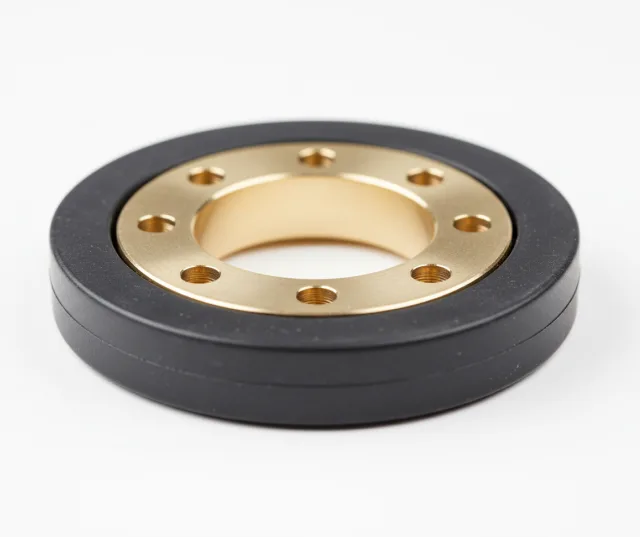
Collect the application information
The example brief starts with the assembly drawing and a description of the intended use. It distinguishes confirmed requirements from questions that must be answered by the customer or the responsible application specialist.
Explain where the component fits
Show the surrounding fittings and identify the surfaces in contact with the rubber part. Include an annotated assembly view and a part reference. This gives the supplier enough context to ask useful questions instead of interpreting the component as an unrelated shape.
Record documentation requirements
List the project-specific documents that the buyer needs and identify who will confirm their suitability. Keep requests for certification or test evidence explicit. An image or a general material description in a demonstration article should never be treated as evidence of an approval.
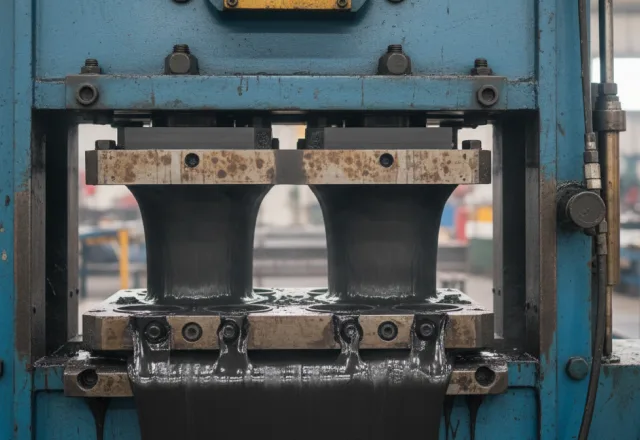
Plan a practical sample conversation
The first review is organized around the assembly questions still open in the brief. A concise checklist helps the team collect comparable observations and avoid losing important details in an informal discussion.
Describe the handling sequence
Record how the sample is unpacked, positioned and assembled, using the intended project procedure. Note where an observation occurs and attach a photograph where useful. If the reviewer uses a different setup, include that context so the feedback can be interpreted correctly.
Group feedback by feature
Place comments under the relevant drawing feature rather than collecting them only in date order. Keep the sample identifier beside each comment. This makes it easier to see whether several observations describe the same issue or relate to separate locations on the component.
Make the next stage reviewable
At the end of the mock review, the team prepares a package for the next decision. The package records the current status without implying that development has completed or that the part is suitable for an unspecified application.
Confirm the open questions
Name the person responsible for each missing requirement and describe the information needed. Keep these questions visible beside the revised drawing. That helps the next reviewer distinguish an agreed feature from a detail that remains provisional until further information is available.
Keep the supporting documents together
Store the drawing, sample feedback and requested evidence in the same project record. Add a short note explaining the next planned review. The result is an organized development package that a new participant can understand without reconstructing the entire conversation from scattered messages.